 delishing
How to Steam Artichokes on the Stovetop: A Culinary Guide

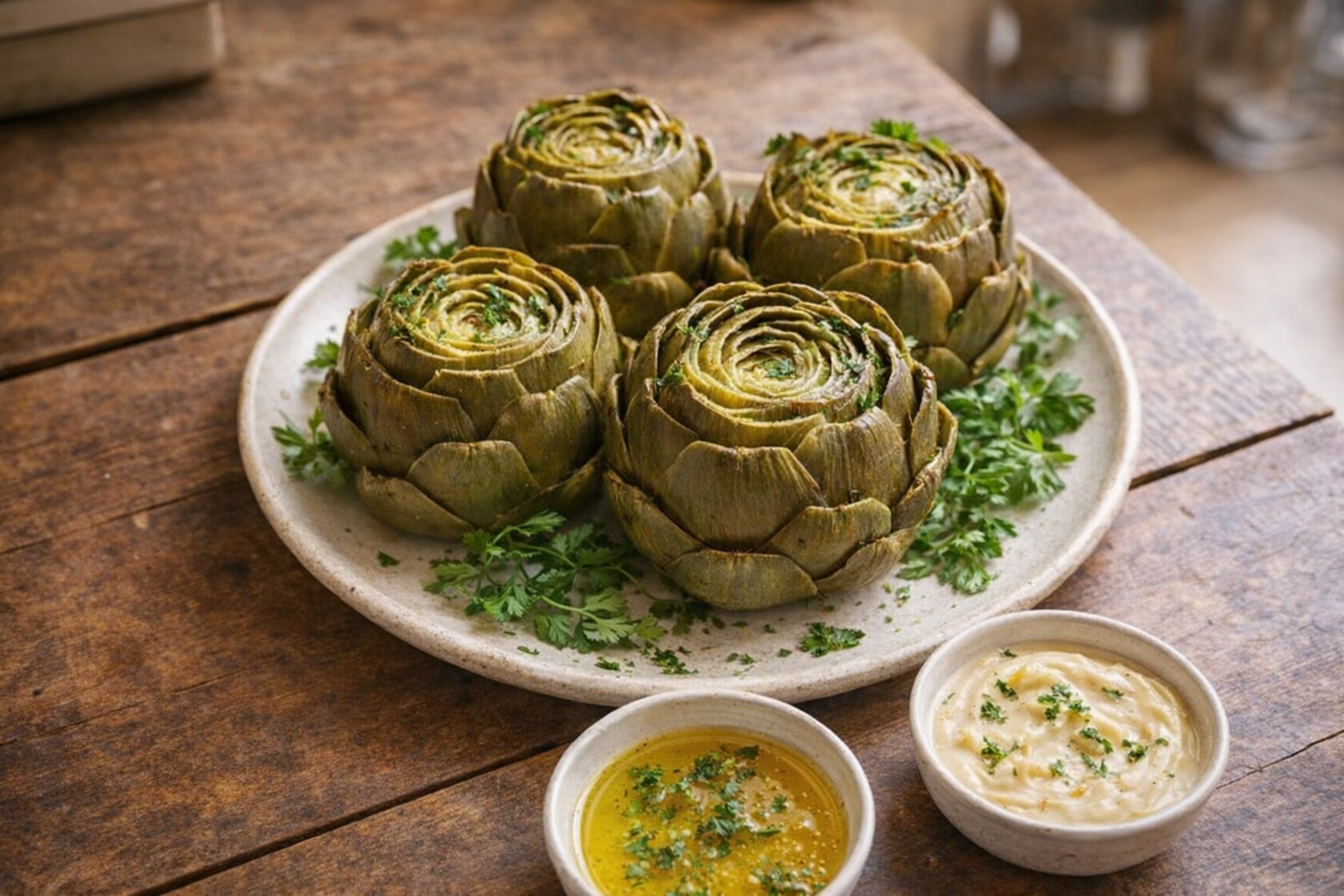
Artichokes, often misunderstood, are a culinary delicacy when prepared correctly. Steaming artichokes coaxes out their subtly sweet and vegetal flavor, creating tender leaves and a delectable heart. The slight bitterness is beautifully balanced by the bright acidity of lemon and the richness of melted butter, making each bite an experience.
This method of steaming artichokes on the stovetop is ideal because it gently cooks the artichokes, preserving their delicate flavor and texture. Boiling can waterlog the artichoke, diluting its taste, while steaming ensures even cooking without sacrificing its inherent qualities. The result is a perfectly cooked artichoke with leaves that pull away easily and a heart that is tender and flavorful.
Understanding Artichokes
Artichokes are the edible flower buds of a thistle plant. When selecting artichokes, look for globes that feel heavy for their size, indicating they are full of moisture. The leaves should be tightly packed and slightly squeaky when rubbed together. Avoid artichokes with brown spots or dried-out stems. The most common variety is the 'Globe' artichoke, but you may also find purple artichokes, which have a slightly sweeter flavor. Smaller artichokes are generally more tender, while larger ones have a larger heart.
When buying, choose artichokes with a vibrant green color, which indicates freshness. A slightly bronze tinge on the outer leaves is acceptable, but avoid those that are heavily discolored or appear dry.
Why Cook Artichokes This Way?
- Versatility: Steamed artichokes can be enjoyed as an appetizer, side dish, or even a light meal.
- Flavor: Steaming enhances the natural sweetness of the artichoke while maintaining its delicate texture.
- Convenience: This method is relatively simple and requires minimal equipment.
Preparation (Mise en Place)
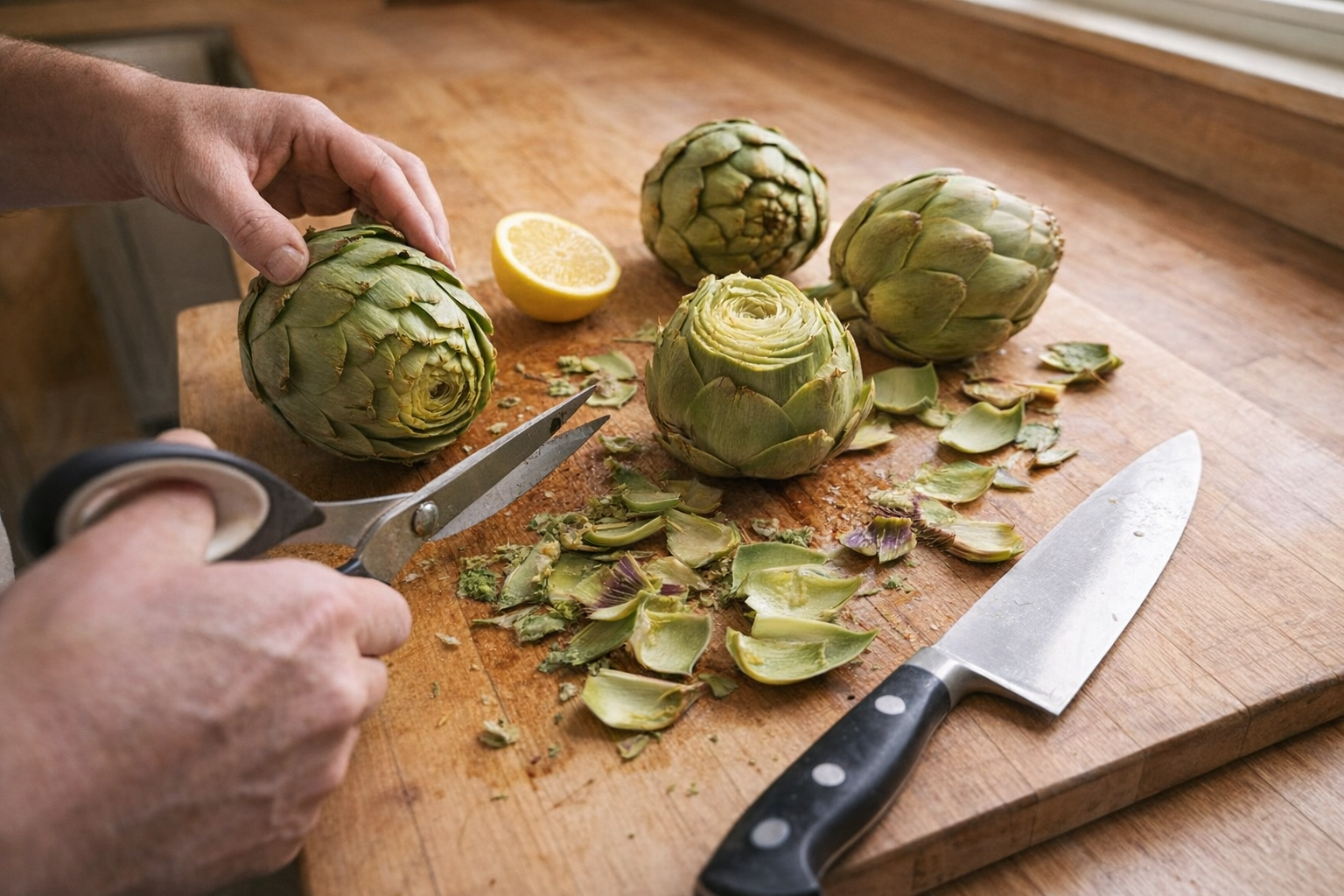
- Trimming: Use a sharp knife to cut off the top inch of the artichoke. This removes the tough, inedible portion.
- Leaf Prep: With kitchen shears, snip off the thorny tips of each leaf. This prevents accidental pokes and makes eating more enjoyable.
- Stem Prep: Cut off the stem, leaving about an inch attached. Peel the outer layer of the stem with a paring knife; the stem is edible and tastes similar to the heart.
- Lemon Bath: Rub all cut surfaces with lemon juice to prevent browning.
Essential Tools
- Large Pot with Steamer Basket: A pot large enough to hold the artichokes comfortably, with a steamer basket that fits inside. The steamer basket keeps the artichokes elevated above the water, ensuring they steam rather than boil.
- Sharp Knife: For trimming the artichokes. A chef's knife or paring knife will work well.
- Kitchen Shears: To trim the thorny tips of the leaves.
- Tongs: To safely handle the hot artichokes.
The Cooking Method(s)
Steaming Artichokes
Ingredients:
- 4 medium artichokes
- 8 cups (2 liters) water
- 1 lemon, halved
- 4 cloves garlic, crushed
- 2 tablespoons olive oil
- 1 teaspoon salt
- ½ teaspoon black pepper
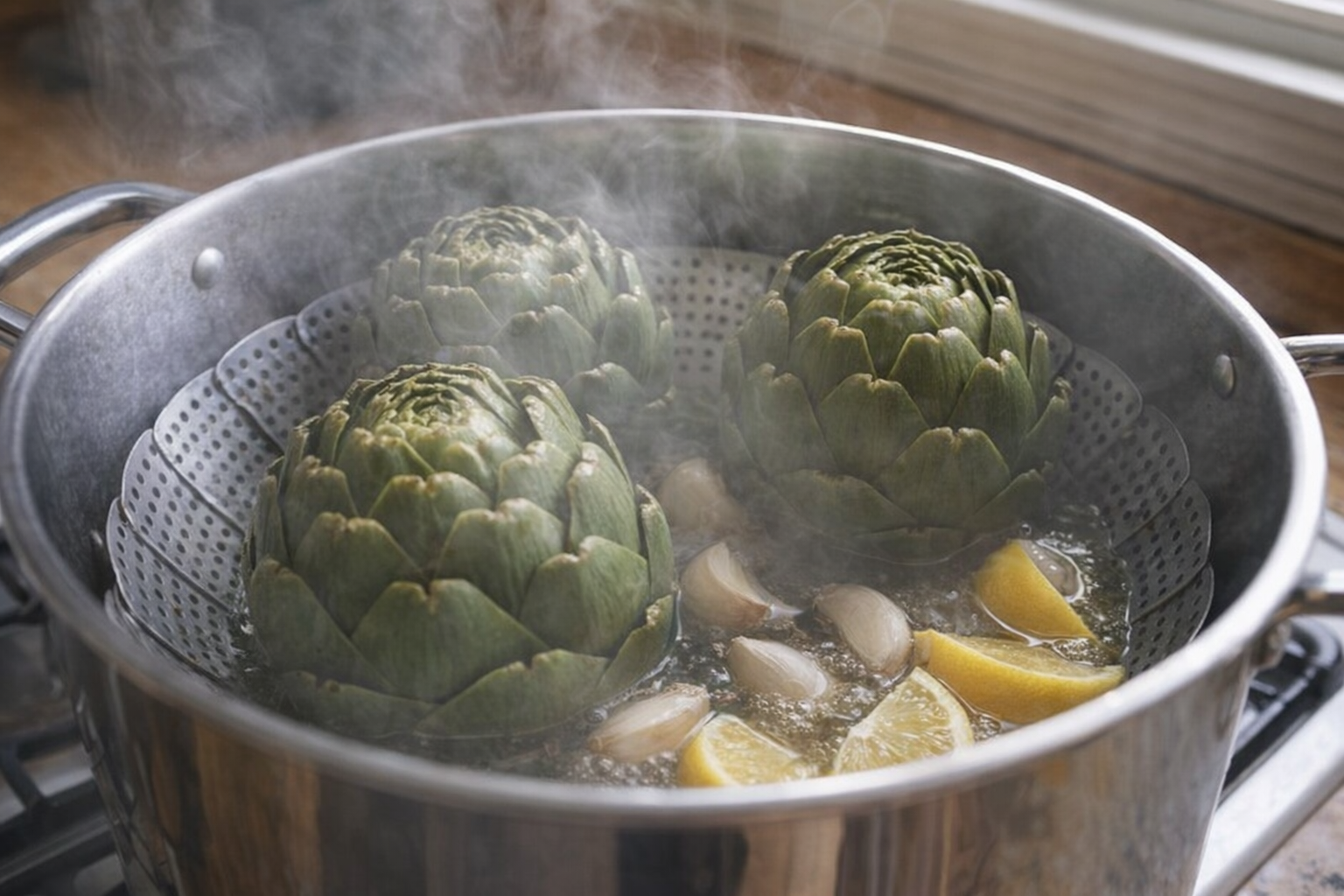
- Prepare the Pot: Fill a large pot with about 2 inches (5 cm) of water. Add the crushed garlic, olive oil, salt, pepper, and the squeezed juice from half a lemon. Place the squeezed lemon half into the water as well. The aromatics will infuse the artichokes with flavor.
- Arrange the Artichokes: Place the prepared artichokes in the steamer basket. Ensure they are standing upright, if possible, to promote even steaming.
- Steam: Bring the water to a boil over medium-high heat. Once boiling, reduce the heat to medium, cover the pot tightly, and steam for 25-45 minutes, depending on the size of the artichokes. The kitchen will fill with a subtle, earthy aroma as they cook.
- Check for Doneness: After 25 minutes, test for doneness by gently pulling on a leaf. If it comes off easily, the artichoke is ready. Alternatively, insert a knife into the base of the artichoke; it should slide in with little resistance.
Cooking Time & Doneness Guide
- Cooking Time: 25-45 minutes, depending on size.
- Internal Temperature: While not strictly necessary, the base of the artichoke should reach approximately 200°F (93°C).
Visual Cues
The easiest way to tell if an artichoke is done is by pulling a leaf. If it detaches easily, it's ready. The leaves should also be tender and easily pierced with a fork. The base of the artichoke should be easily pierced with a knife.
Tips for Perfection
- Don't Overcrowd the Pot: Ensure the artichokes have enough space in the steamer basket for even cooking. If necessary, steam them in batches.
- Keep the Water Level Consistent: Monitor the water level and add more if needed to prevent the pot from drying out.
- Lemon is Key: Don't skip the lemon juice, as it prevents discoloration and adds a bright flavor.
- Serve Immediately: Artichokes are best enjoyed immediately after cooking.
Storage & Reheating
Store leftover steamed artichokes in an airtight container in the refrigerator for up to 3 days. To reheat, you can steam them again for a few minutes until heated through, or microwave them briefly. Be careful not to overcook them, as they can become mushy. A quick steam is preferable to maintain the texture.
Serving Suggestions
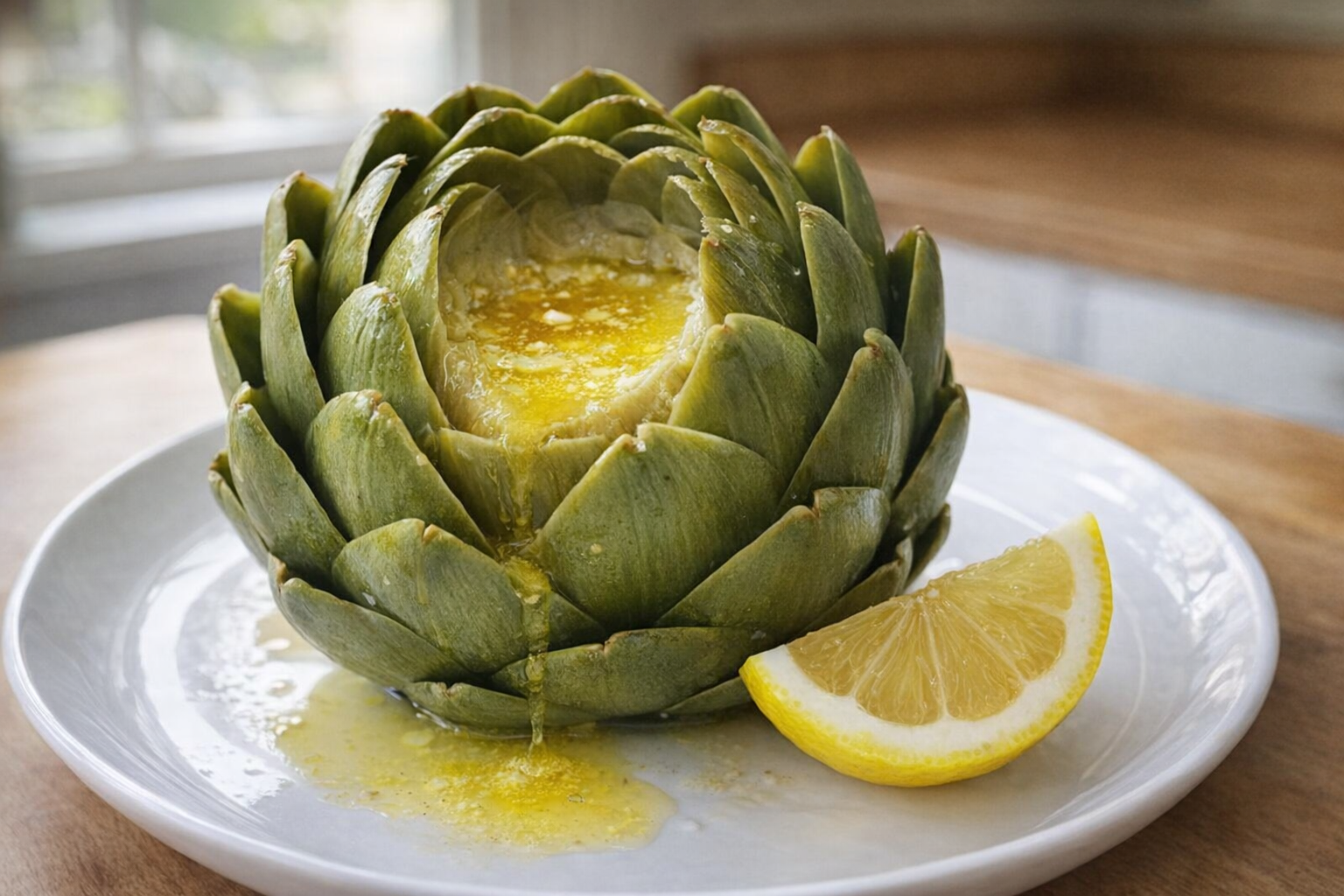
- With Melted Butter: The classic accompaniment. Simply melt butter with a squeeze of lemon juice and serve alongside the artichoke for dipping.
- Garlic Aioli: A creamy and flavorful dip that complements the artichoke's subtle bitterness.
- As Part of an Antipasto Platter: Arrange steamed artichokes with other Italian appetizers such as olives, cured meats, and cheeses.
- Stuffed Artichoke Hearts: Scoop out the choke and fill the heart with a mixture of breadcrumbs, cheese, and herbs, then bake until golden brown.
💡 Pro Tips
- Trim the sharp tips of each leaf with kitchen shears before cooking to ensure they are safe and comfortable to handle.
- Rub all cut surfaces immediately with a halved lemon to prevent the artichoke from turning brown due to oxidation.
- Position the artichokes stem-side up in the steamer basket to allow the steam to circulate effectively around the thickest part of the vegetable.
- Maintain a steady simmer but ensure the water level stays below the steamer basket to avoid waterlogging the bottom of the artichokes.
- Test for perfect tenderness by pulling an outer leaf; if it slides out easily with a gentle tug, the artichokes are fully cooked.
Frequently Asked Questions
The artichokes are done when a leaf can be easily pulled from the base and the heart is tender when pierced with a knife. This usually takes around 25-35 minutes, depending on the size of the artichokes.
Yes, you can use other acidic options like lime juice or even a diluted vinegar solution. The key is to coat the cut surfaces to prevent oxidation, which causes the browning.
Leftover steamed artichokes can be stored in an airtight container in the refrigerator for up to 3 days. You can enjoy them cold with a dipping sauce, add the hearts to salads, or sauté them with garlic and olive oil.
If you don't have a steamer basket, you can create a makeshift one by using a heat-safe colander or placing the artichokes on top of balls of aluminum foil in the pot. Just make sure the artichokes are elevated above the water level.